A glazier’s handbook to the 553-metre waterfront tower
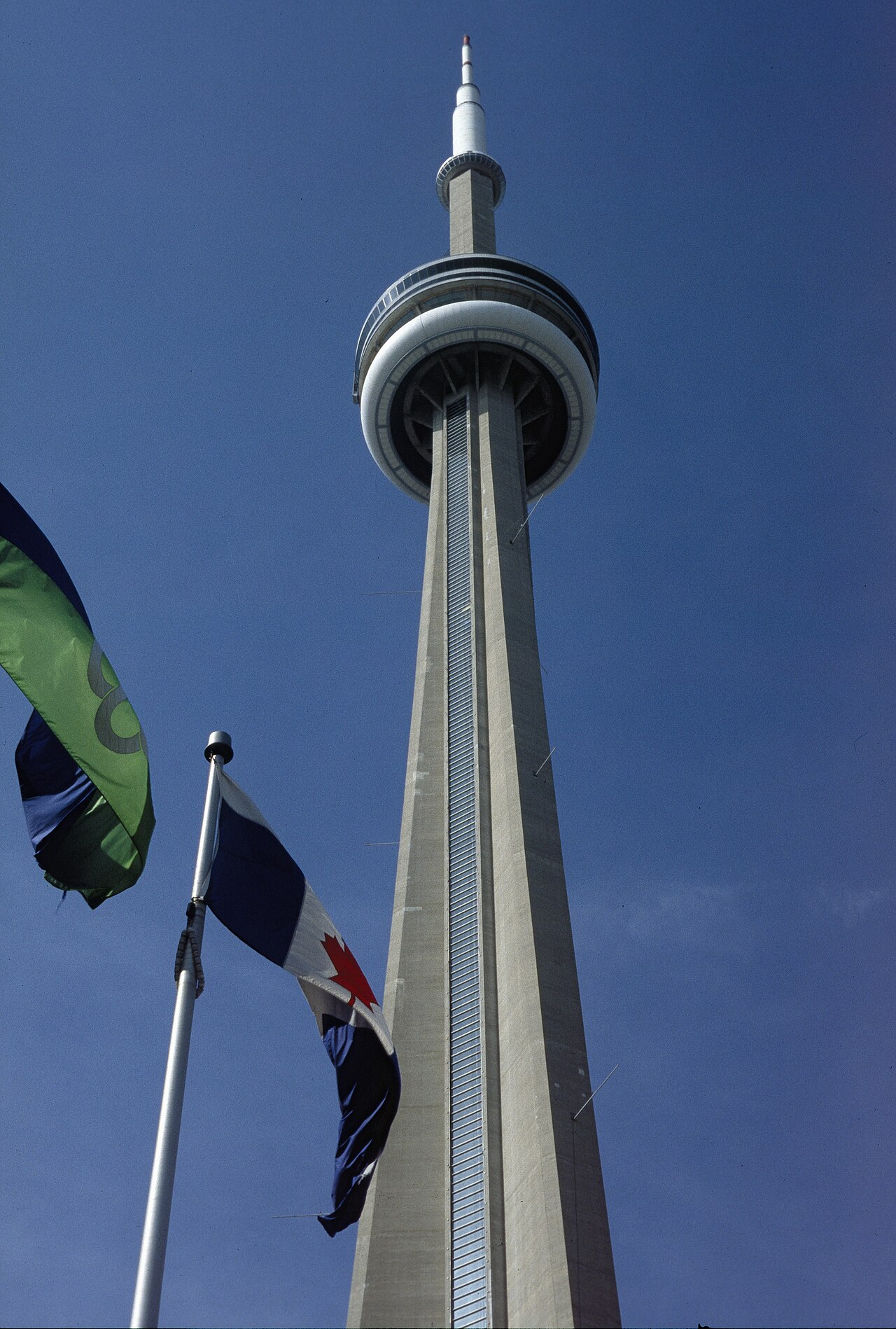
For nineteen years I inspected high-rise glass and facade systems around Toronto’s waterfront — including the five-layer laminated floor panels you stand on at 342 metres, the exterior glazing on the lift cars, and the weather sealing on the upper capsule. This is what I wish every visitor knew before they planned their day.
Why this handbook exists
Every week downtown I watched the same scene: a family arriving at the tower entrance at noon on a Saturday, confused about why the entry time printed on their ticket was still forty minutes away, or a couple who had bought the top-level add-on without checking whether the upper pod was even open in the wind. The information exists — it is just scattered across too many places and written for lawyers, not visitors.
I retired in 2024 and my daughter finally convinced me to type up what I had been texting to relatives for years. Everything on these pages comes from my own time on the job, plus corrections I get from people who still work the building.
The five levels at a glance
The tower is really five different experiences stacked on top of each other. Most visitors only reach two of them. Understanding what each level actually is will save you money and disappointment:
| Level | Height | What is up there | Typical time |
|---|---|---|---|
| Glass floor | 342 m | Five-layer laminated glass panels you can stand and lie on | 10–15 min |
| Main deck | 346 m | The big enclosed ring with windows, cafe, and terrace access | 45–60 min |
| Dining floor | 351 m | Rotating restaurant room, one full turn in about 72 minutes | 90–120 min |
| Ledge walk | 356 m | Outdoor hands-free walk on a 1.5 m metal ledge, harnessed | ~90 min incl. briefing |
| Upper pod | 447 m | Smaller enclosed capsule, roughly 160 km sightline when clear | 20–30 min |
How timed entry actually works
Entry to the tower is sold in time windows. Your ticket has a slot — usually a quarter-hour window — and the scanners at the base turn green only inside that window. Arrive early and you wait in the plaza; arrive late and staff will usually squeeze you in, but during summer and school breaks they sometimes cannot.
The ticket itself is a QR code on your phone. Screenshots work, brightness matters more than resolution, and there is no paper kiosk line worth waiting in. I go through the whole thing on the timed slots and QR entry page, including what happens to your slot if a lift gets weathered out.
The one variable nobody mentions
Every bad tower visit I have ever seen came down to one thing: the visitor did not check the marine forecast. Wind off Lake Ontario is the single biggest factor in the whole visit. Sustained gusts past roughly 100 km/h slow the exterior lifts to half speed; above about 120 km/h they stop altogether, and the ledge walk and upper pod close first.
Lake fog is the silent killer. From November through March the tower can spend half the day inside a grey box — you will be looking at the inside of a cloud at 553 metres. Ten minutes on the fog and clear days page will tell you how to read the forecast like a local before you book anything.
Where to go next
- Six glass lifts in 58 seconds — why the ride feels fast and what weather does to it
- The five levels in detail — what you are actually standing on at 342 m
- Timed slots and QR entry — how windows, turnstiles and dinner access work
- Union Station SkyWalk route — twelve minutes indoors, no winter coat needed
- Lake fog and clear days — when the 160 km sightline actually happens
- Visitor questions — straight answers, including who runs this site
- About Graham Kerr — nineteen years on Toronto’s glass and facades
If you are in a hurry, read the entry and QR page and the weather page. Between the two of them you will dodge 90% of the bad tower experiences I used to see.